Can Cheap Cables Affect Your Computer’s Performance?
In today’s digital age, computers have become an integral part of our lives. Whether it’s for work or entertainment, we rely heavily on these machines to perform efficiently and effectively. However, have you ever considered the impact that cheap cables can have on your computer’s performance? Surprisingly, the answer is yes. The quality of the cables you use can play a significant role in the overall performance and reliability of your computer system. In this article, we will explore the potential issues that can arise from using cheap cables and why it’s important to invest in quality ones.
Signal Degradation and Data Loss
One of the primary concerns with cheap cables is signal degradation. Unlike high-quality cables, which are designed to minimize interference and maintain signal integrity, cheap cables often lack the necessary shielding and insulation. As a result, they are more susceptible to electromagnetic interference (EMI) and radio frequency interference (RFI). This can lead to a loss of signal quality and increased data errors.
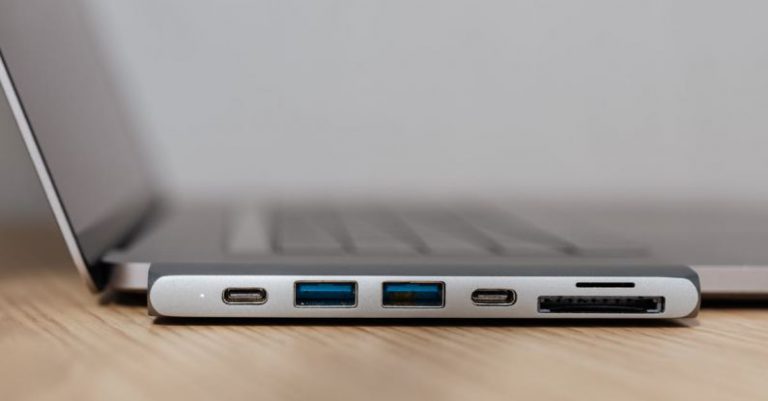
Furthermore, cheap cables may not meet the required specifications for data transmission. For instance, USB cables that are not properly designed may struggle to maintain the required bandwidth for high-speed data transfer. This can result in slower data transfer rates, increased latency, and a less responsive computer system.
Connectivity Issues and Compatibility
Another issue that can arise from using cheap cables is connectivity problems. Poorly constructed cables may have loose connectors or improper shielding, which can result in intermittent or unstable connections. This can be particularly frustrating when trying to connect external devices such as printers, scanners, or external hard drives. In some cases, the computer may fail to recognize the device altogether.
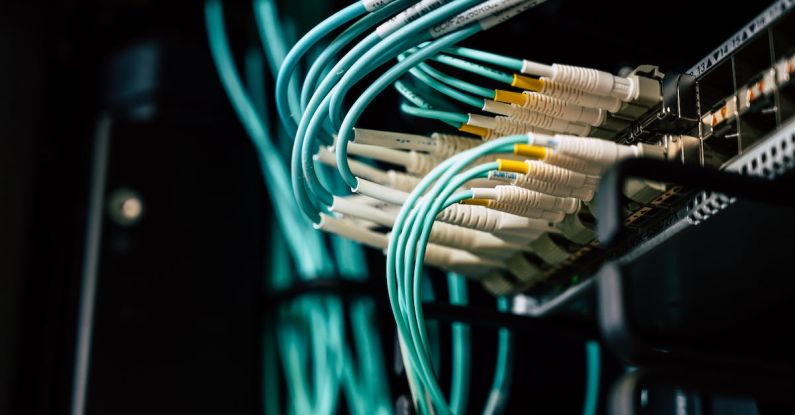
Cheap cables may also lack compatibility with certain devices or operating systems. For example, a cheap HDMI cable may not support the latest video and audio formats, limiting your ability to enjoy high-definition content. Similarly, a low-quality Ethernet cable may not provide the necessary bandwidth for a stable internet connection. These compatibility issues can lead to a frustrating user experience and hinder the overall performance of your computer system.
Safety Concerns
While the impact of cheap cables on performance is a significant concern, it’s also important to consider the safety implications. Poorly constructed cables may not meet the required safety standards, posing a risk of electrical short circuits or even fire hazards. This is particularly true for power cables and chargers, where the use of substandard materials can increase the likelihood of overheating or electrical malfunctions. Investing in quality cables not only ensures optimal performance but also provides peace of mind knowing that your computer system is safe.
The Importance of Investing in Quality Cables
Given the potential issues that can arise from using cheap cables, it’s clear that investing in quality cables is a wise decision. While they may cost more upfront, high-quality cables offer several benefits. They provide better signal integrity, ensuring reliable data transmission and minimizing the risk of errors. Additionally, they offer greater compatibility with a wide range of devices and operating systems, allowing you to make the most of your computer system’s capabilities. Moreover, quality cables are built to last, reducing the need for frequent replacements and saving you money in the long run.
In conclusion, cheap cables can indeed have a significant impact on your computer’s performance. Signal degradation, data loss, connectivity issues, compatibility problems, and safety concerns are all potential risks associated with using low-quality cables. Investing in quality cables not only ensures optimal performance but also provides peace of mind knowing that your computer system is running smoothly and safely. So, the next time you’re in need of cables for your computer setup, don’t skimp on quality. Your computer will thank you.